
01
What the floor actually looked like
The managers we worked with were not disorganised. They kept files, they kept receipts. The problem was that the record of a tenancy lived in four places (a folder, an email thread, a phone’s photo roll and a head) and only ever got assembled when there was an argument.
Utility pass-throughs were the worst of it. A shared water meter, a quarterly bill, six units, and a reconciliation done by hand on the back of the invoice. It was usually right. It was never quickly provable.
02
What we changed
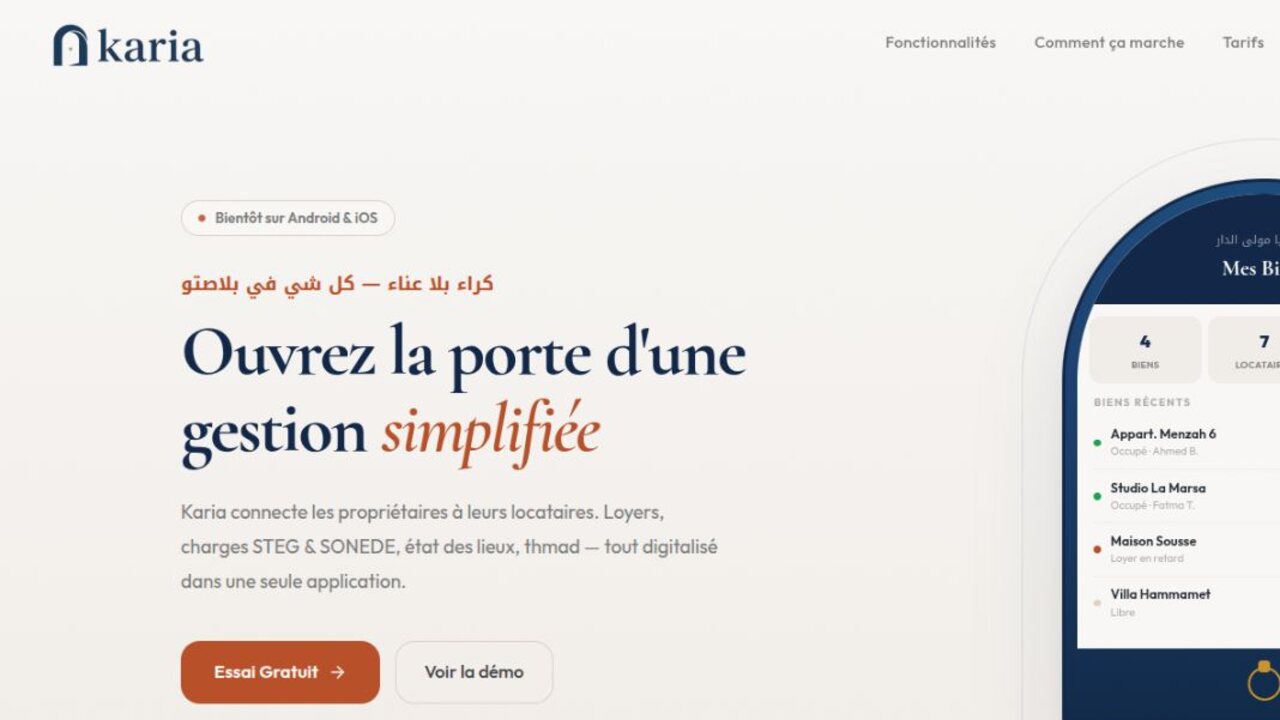
Karia makes the tenancy the record. Contract, schedule, receipts, meter readings, photographs, maintenance tickets and messages all attach to one timeline that both sides can see.
Rent schedules run themselves. The first of the month generates the charge, issues the receipt on payment and sends the reminder if it does not arrive, in the tenant’s language, at a civil hour.
Maintenance became a dispatch queue rather than a phone call. A tenant reports with a photo, the ticket routes to a contractor, and the close-out photo lands on the same timeline. When a deposit is discussed at move-out, there is nothing to reconstruct.
03
What happened after
Deposit disputes did not get resolved faster. They largely stopped happening, because both parties were looking at the same timeline throughout the tenancy rather than assembling competing versions at the end.
Owner reporting stopped being a monthly chore. Yield, arrears and maintenance spend are a view, not a spreadsheet somebody has to build.
