

Peak calls overwhelmed the desk while bookable off-peak court time stayed empty.
01
What the floor actually looked like
Off-peak slots sat empty while the phone rang during peak. The manager was the booking system, which meant the booking system was unavailable whenever the manager was coaching.
The second problem was money. A four-player game booked by one person meant that person chased three friends for their share, or quietly absorbed it. Often a player dropped out, the game collapsed, and the slot was lost too late to resell.
And the floodlights ran on a wall switch somebody had to remember.
02
What we changed
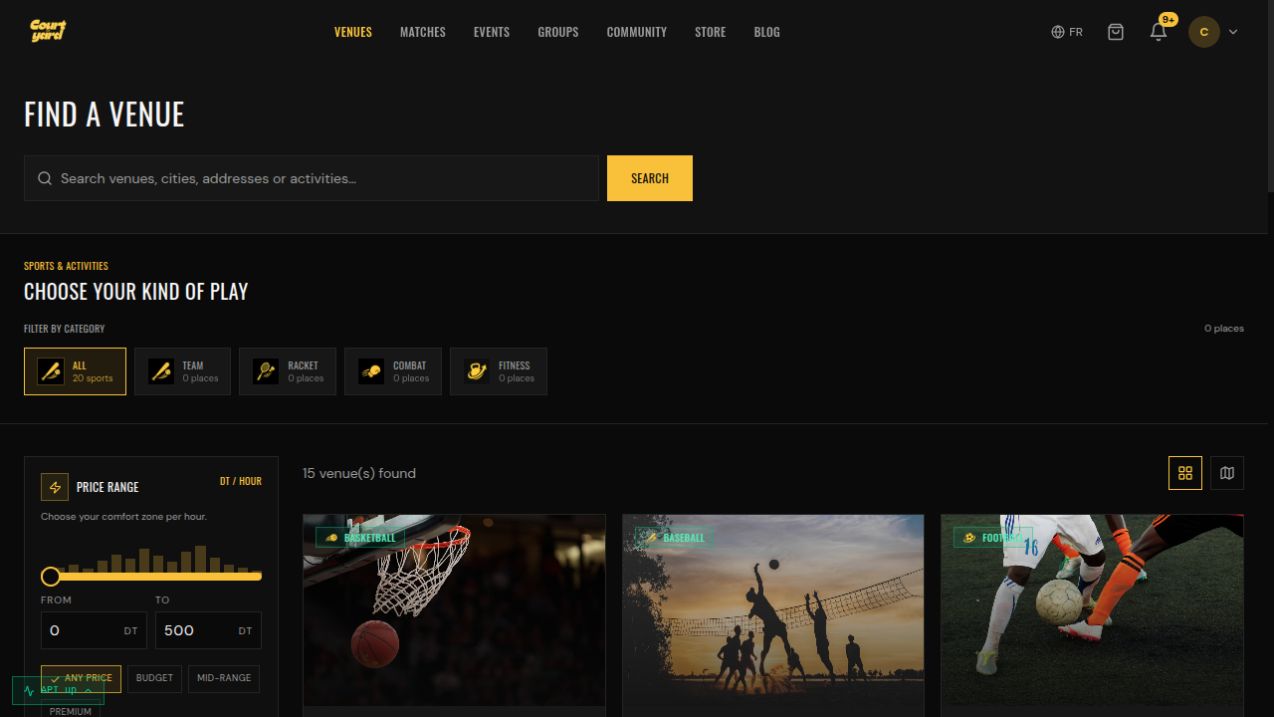
Booking moved into the players’ hands, which immediately filled off-peak: people who would never phone a club at 9pm will happily book a 7am court from bed.
Payment splits at the point of booking. Each player pays their quarter to confirm, so a drop-out is a released seat rather than a bad debt, and the seat goes back to the pool automatically with enough notice to resell it.
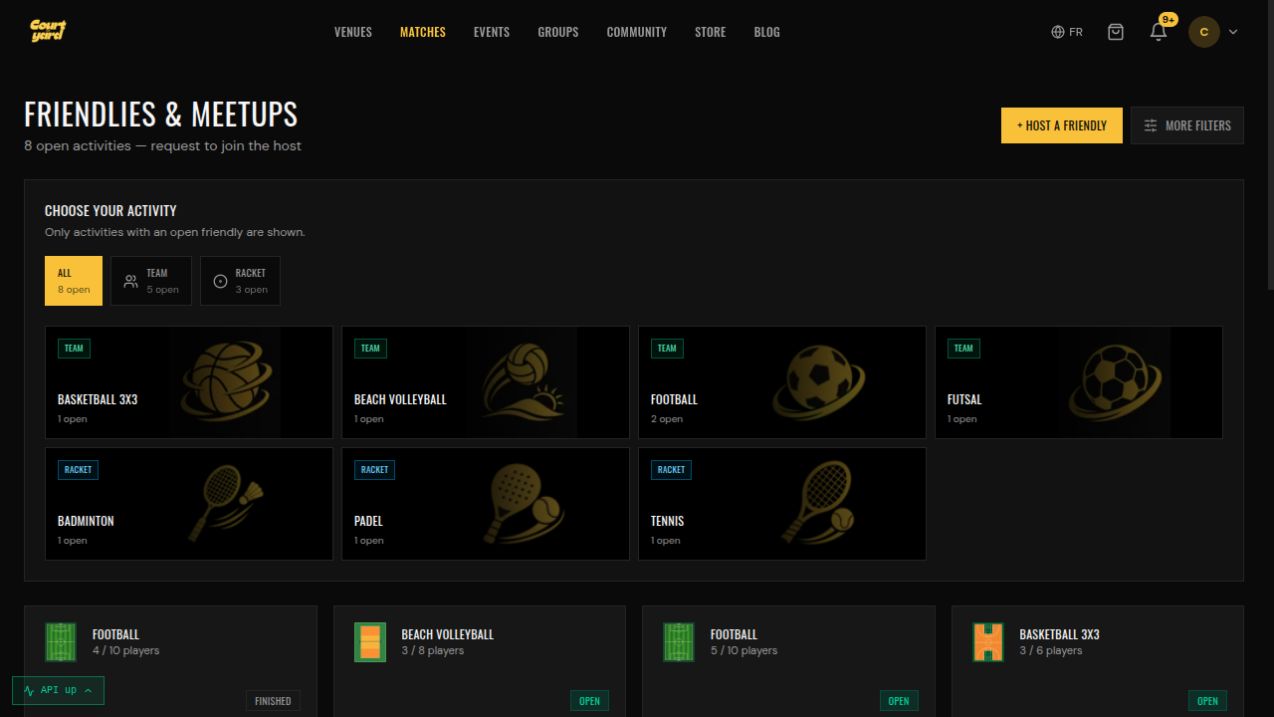
Matchmaking by ELO rating turned empty slots into filled ones. A player with no group gets matched to a game at their level, which is the feature that converted casual players into weekly ones.
Floodlights and turnstiles run off the booking. The relay fires five minutes before the slot and cuts after it. Nobody remembers anything.
03
What happened after
Peak utilisation is not the interesting number: peak was always full. Off-peak is where the change landed, and it is what made the club’s year work.
Energy spend fell as a side effect, because lights now correspond to bookings rather than to whoever last touched the switch.
